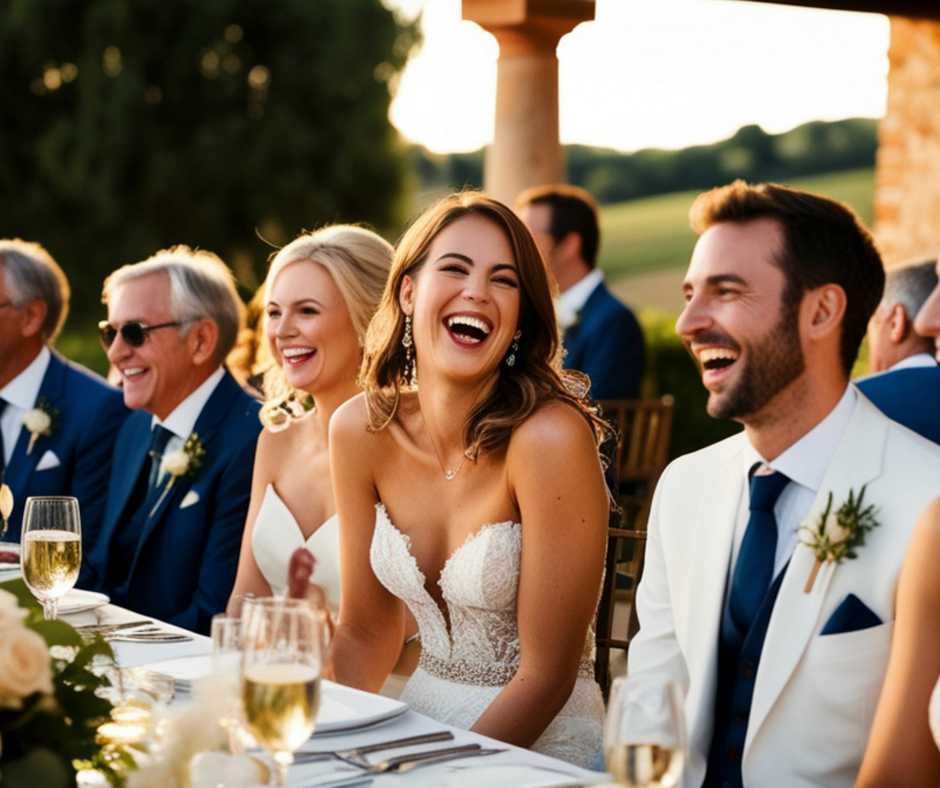
Planning an event doesn’t have to feel overwhelming. With the right approach and a focus on what matters most, you can create a smooth, enjoyable experience for both you and your guests.
Planning an event—whether it’s a wedding, reception, or special gathering—can quickly go from exciting to overwhelming.
There are decisions to make, details to manage, and expectations (both internal and external) that can start to pile up fast.
But here’s the reality: a successful event isn’t about doing everything. It’s about doing the right things well.
When you focus on what truly matters, the entire experience becomes more manageable—and a lot more enjoyable.
Before you dive into planning, take a step back and define what matters most.
Ask yourself:
Maybe it’s great food, a relaxed atmosphere, and time to connect with guests. Maybe it’s a beautiful setting and a smooth timeline.
Not everything can be the top priority—and that’s okay.
When you’re clear on what matters most, it becomes easier to make decisions and avoid unnecessary stress.
One of the best ways to simplify planning is to focus on your guests.
When guests feel comfortable, welcomed, and taken care of, everything else tends to fall into place.
Think about:
You don’t need elaborate extras—just thoughtful planning.
Your venue plays a bigger role in your stress level than almost anything else.
A well-designed, functional space can reduce the need for extra rentals, complicated layouts, and constant coordination.
Look for a space that:
When your space works with you instead of against you, everything becomes easier to manage.
Overpacking your schedule is one of the fastest ways to create stress.
Instead, build in breathing room:
A timeline that feels slightly relaxed will always perform better than one that’s overly tight.
You don’t have to do everything yourself.
In fact, trying to manage every detail is one of the biggest sources of stress for hosts.
Identify a few key people you trust and assign them specific roles:
Clear delegation allows you to stay present instead of constantly troubleshooting.
The more decisions you make, the more overwhelmed you’ll feel.
Look for ways to streamline:
Constraints aren’t limiting—they’re helpful.
They reduce decision fatigue and keep everything aligned.
No event goes exactly as planned.
Something will run late. Something won’t look exactly how you pictured it. A small detail may get missed.
And that’s okay.
Your guests won’t notice the things you’re worried about. What they will notice is the overall atmosphere—how it feels to be there.
If you stay relaxed, your guests will too.
You’ve put in the work—don’t miss the experience.
Plan intentional moments where you can step back and take it all in:
These are often the moments that matter most.
It’s easy to get caught up in making everything “perfect.”
But perfection isn’t what makes an event memorable.
Connection, comfort, and a welcoming atmosphere matter far more than perfectly placed décor or a packed schedule.
When you focus on creating a space where people feel good, everything else becomes secondary.
At its core, a stress-free event comes down to clarity, simplicity, and support.
When your priorities are clear, your space works in your favor, and you allow yourself to let go of unnecessary pressure, the entire experience shifts—from overwhelming to enjoyable.
And that’s exactly what your event should be.


