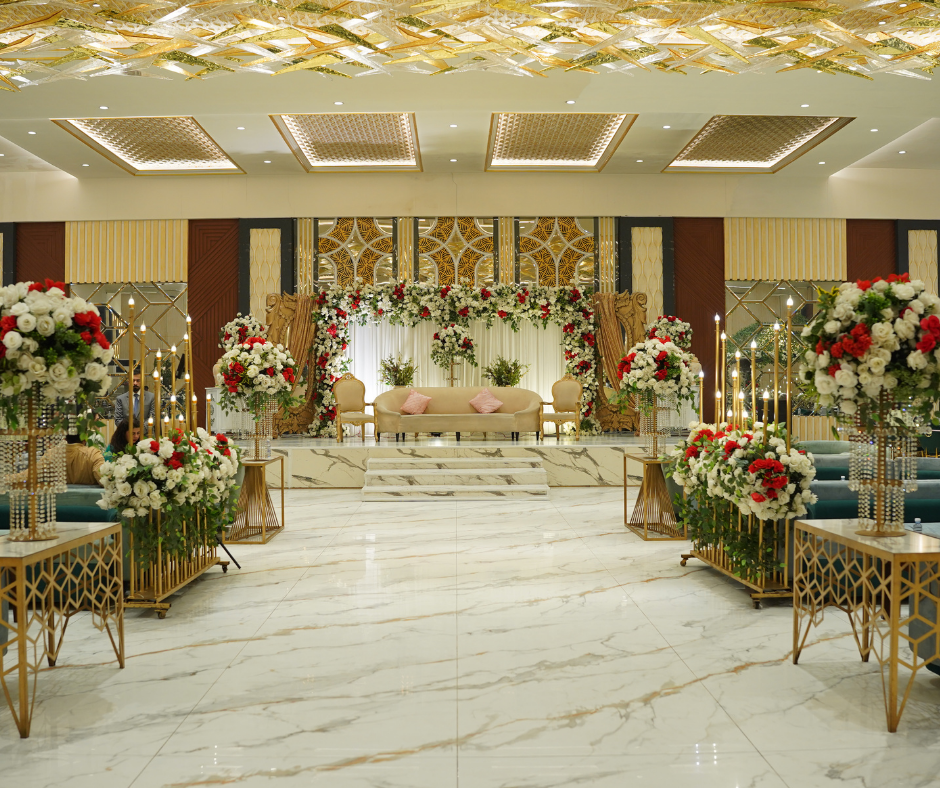
Choosing the right event theme helps guide every detail of your wedding day. Learn how to define your style, narrow your vision, and create a cohesive, memorable experience.
One of the most exciting—and sometimes overwhelming—parts of planning a wedding or event is choosing a theme.
You’ve probably seen it all: elegant ballroom weddings, rustic outdoor celebrations, modern minimalist setups, whimsical garden parties. With so many styles to choose from, it’s easy to feel stuck between what you like and what actually works together.
Here’s the truth: a good theme isn’t about copying a look—it’s about creating a cohesive experience.
When your theme is clear, every decision becomes easier. From décor to attire to layout, everything starts to align naturally.
A theme isn’t just decorations or a Pinterest board.
It’s the overall feeling and visual direction of your event. It influences:
Think of your theme as the “lens” through which every decision is made.
Without it, things can start to feel random. With it, everything feels intentional.
Before you scroll through inspiration, take a step back.
Ask yourself:
Your everyday preferences matter more than you think. The goal isn’t to create a completely different version of yourself—it’s to reflect what you already love.
If you’re someone who prefers simplicity in your home and wardrobe, a minimalist or modern theme will likely feel more natural than something overly elaborate.
Elegant & Formal
This style is timeless and refined. Think neutral palettes, soft lighting, classic florals, and elevated details like gold accents or formal table settings.
Best for: Evening events, indoor venues, and couples who want a polished, sophisticated feel.
Rustic & Natural
This theme leans into organic textures—wood, greenery, soft fabrics, and outdoor-inspired elements.
Best for: Barn venues, outdoor spaces, and relaxed, warm celebrations.
Modern & Minimalist
Clean lines, simple color palettes, and intentional design define this look. Less clutter, more impact.
Best for: Contemporary venues and couples who love a sleek, uncluttered aesthetic.
Whimsical & Playful
Bright colors, unexpected details, and a sense of fun bring this theme to life.
Best for: Outdoor settings, spring/summer weddings, and couples who want a lighthearted, unique experience.
This is where a lot of people get stuck.
They like everything—a little rustic, a little elegant, a little modern—and try to combine it all.
That usually leads to a design that feels disconnected.
Instead, pick one primary direction and let other elements support it. For example:
You can blend styles—but one should clearly lead.
Your venue already has a personality.
A formal indoor space may naturally lean toward elegant or modern. An outdoor or barn setting may support rustic or whimsical styles.
Trying to force a theme that clashes with your space will make everything harder (and often more expensive).
When your theme aligns with your venue, your design choices feel effortless.
Once you’ve chosen your theme, focus on the elements that will make it feel consistent.
You don’t need to over-decorate—you just need the right details:
These are the pieces that tie everything together.
A strong theme is clear—not crowded.
You don’t need multiple competing ideas or excessive décor. In fact, restraint often leads to a more elevated and memorable event.
If something doesn’t clearly fit your theme, it’s okay to leave it out.
At the end of the day, your theme should feel authentic.
If it feels forced or overly trendy, it won’t hold up. But when it reflects your personality and preferences, it naturally feels right—not just to you, but to your guests as well.
That’s what people remember—not just how it looked, but how it felt.
Choosing the right event theme isn’t about getting it perfect—it’s about getting it aligned.
When your style, space, and details all point in the same direction, your event becomes more than just beautiful—it becomes meaningful, cohesive, and uniquely yours.


