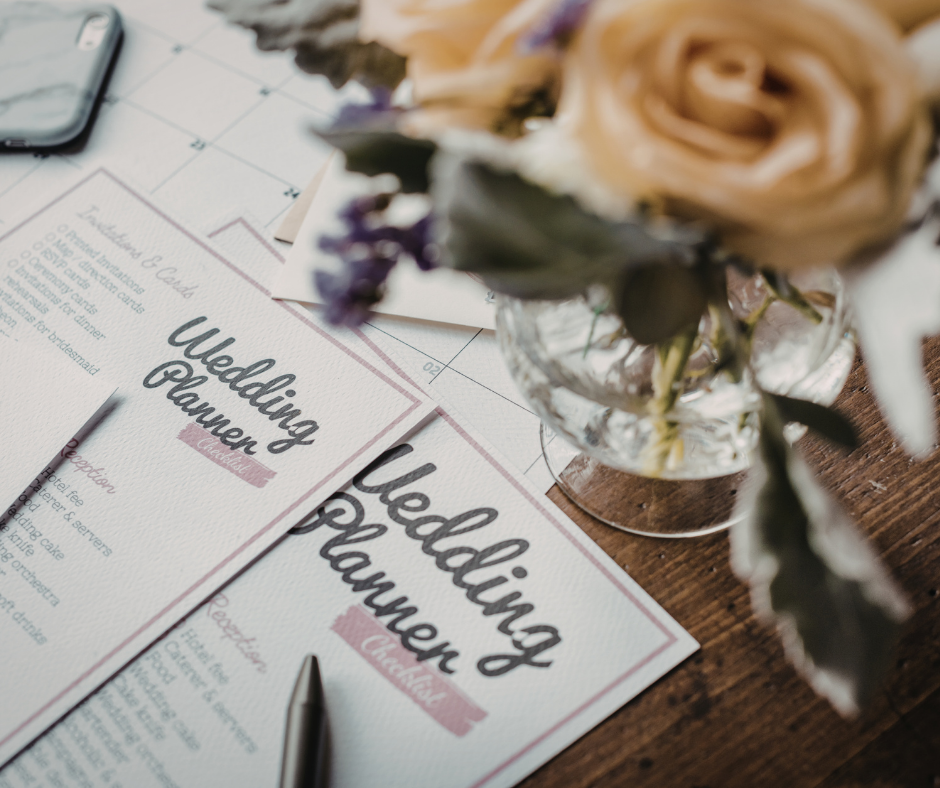
A well-planned wedding timeline keeps your day running smoothly and stress-free. Learn how to build a realistic schedule that allows you to enjoy every moment.
Your wedding day goes by fast—faster than most couples expect.
One minute you’re getting ready, and the next, the night is over. The difference between a rushed, stressful day and a smooth, enjoyable one often comes down to one thing:
A solid timeline.
The good news? Your timeline doesn’t need to be complicated. It just needs to be realistic, well-paced, and built around your priorities.
A clear timeline keeps everything moving without feeling rushed.
It helps:
Without a plan, even small delays can snowball. With one, everything flows more naturally.
Before you fill in times, outline the major parts of your day.
Most weddings include:
You may also include:
Start by listing these moments in order. This becomes the foundation of your timeline.
Your ceremony time anchors the entire day.
Once that’s set, you can work backward and forward to build everything else around it.
For example:
Working from a fixed point helps keep everything aligned.
This is where most timelines fall apart.
Hair and makeup take longer. Photos run over. People arrive late. Transitions take time.
Give yourself buffer space:
A timeline with breathing room feels calm. One that’s too tight feels stressful.
Think through how people will move from one part of the day to the next.
These in-between moments matter more than people expect. When transitions are smooth, the entire event feels more organized and enjoyable.
It’s tempting to fit everything in—but more isn’t always better.
Too many activities can make the day feel rushed and overwhelming.
Instead:
A well-paced day will always feel better than a packed one.
Your vendors play a big role in how your timeline unfolds.
Photographers, caterers, DJs, and coordinators all rely on a clear schedule to do their jobs well.
Make sure:
When vendors are aligned, your day runs much more smoothly.
You shouldn’t be the one watching the clock.
Designate someone to help manage the timeline:
This allows you to stay present instead of managing logistics.
This is one of the most overlooked parts of a timeline.
If every minute is scheduled, you won’t have time to actually experience your wedding.
Make room for:
These pauses are what make the day feel meaningful—not rushed.
Even with the best planning, things may shift slightly—and that’s okay.
A good timeline guides your day, but it shouldn’t control it.
If something runs a few minutes late or changes slightly, focus on the big picture. Your guests won’t notice small timing adjustments—they’ll remember how the day felt.
At the end of the day, your wedding timeline should support your experience—not complicate it.
When it’s built with intention, flexibility, and realistic pacing, everything flows more naturally. You feel more relaxed, your guests feel more comfortable, and the entire celebration becomes something you can truly enjoy.


